
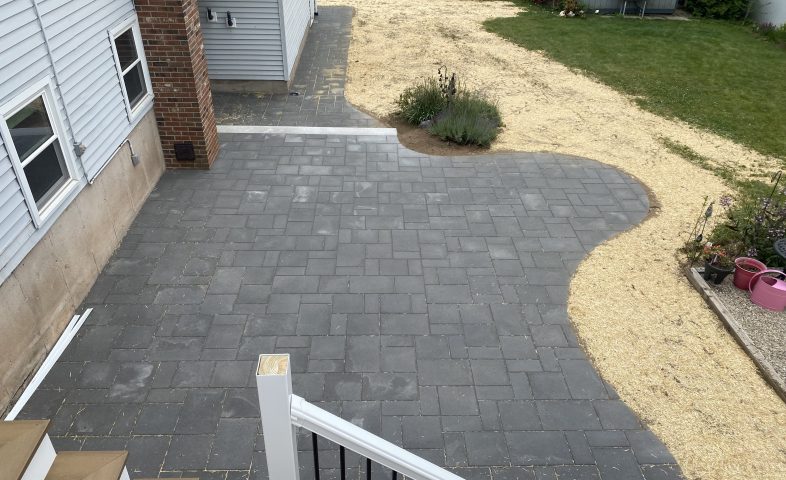
Connecticut weather is tough on patios.
A patio that looks perfect in July can start shifting, sinking, cracking, or opening at the joints after a few winters. The reason is simple: water gets into the wrong places, freezes, expands, thaws, drains poorly, and repeats the cycle again.
That is why choosing the best patio pavers for Connecticut freeze-thaw weather is not just about color, texture, or style. It is about selecting the right material and installing it over the right base.
At Valley View Excavating, patio work starts with the same mindset as excavation and site work: build the foundation correctly first. Whether you are planning a backyard patio, walkway, outdoor kitchen area, or paver driveway apron, the long-term performance depends on drainage, excavation depth, compaction, base material, and edge restraint.
For homeowners looking for a trusted patio paver contractor in Connecticut, this guide explains which pavers perform best and what makes a patio last through New England winters.
What Patio Pavers Work Best in Connecticut?
The best patio pavers for Connecticut freeze-thaw weather are:
- Interlocking concrete pavers
- Permeable pavers
- High-density manufactured concrete pavers
- Natural stone pavers
- Bluestone pavers
- Granite pavers
- Large-format concrete pavers with proper base prep
- Textured slip-resistant pavers
- Salt-resistant pavers
- Vehicular-rated pavers for heavy-use areas
- Pavers installed over a properly excavated and compacted base
The last point is the most important. Even the best paver can fail if the base holds water, settles unevenly, or is not compacted correctly.
Technical paver specifications commonly reference strong concrete paving units with low absorption and freeze-thaw resistance. ASTM C936, for example, is commonly cited for interlocking concrete pavers and includes requirements for compressive strength, absorption, abrasion, and freeze-thaw durability.
Why Freeze-Thaw Weather Damages Connecticut Patios
Freeze-thaw damage happens when water gets into the patio system and freezes. When water freezes, it expands. When it thaws, the patio surface settles again. Over time, this movement can create:
- Uneven pavers
- Sunken areas
- Raised edges
- Widened joints
- Loose border stones
- Standing water
- Tripping hazards
- Polymeric sand loss
- Drainage problems
- Patio failure near steps or walls
Connecticut patios are especially vulnerable because the ground can experience repeated freezing, thawing, snow melt, rain, and refreezing throughout the winter and early spring.
This is why paver selection and base preparation need to work together.
The Best Patio Pavers for Connecticut Homes
1. Interlocking Concrete Pavers
Interlocking concrete pavers are one of the best all-around choices for Connecticut patios. They are popular because they combine strength, design flexibility, and repairability.
Instead of one solid slab, interlocking pavers are individual units. This allows the patio surface to handle minor movement better than poured concrete. If one section shifts or settles, individual pavers can often be lifted, re-leveled, and reset.
Best for:
- Backyard patios
- Walkways
- Poolside areas
- Outdoor dining spaces
- Fire pit patios
- Front entry paths
- Residential entertainment areas
Why they work in Connecticut:
- They handle seasonal movement better than rigid slabs
- They are available in many colors, shapes, and textures
- They can be repaired in sections
- They perform well with a compacted base and proper drainage
2. Permeable Pavers
Permeable pavers are one of the smartest choices for patios where drainage is a concern.
Unlike standard paver systems, permeable pavers are designed with wider joints that allow water to move through the surface and into a stone base below. This can help reduce runoff, puddling, and surface water that may freeze in winter.
The Federal Highway Administration describes permeable interlocking concrete pavement as solid concrete paving units with joints that create openings in the pavement surface, with those joints filled to allow water movement.
Best for:
- Wet yards
- Patio areas near drainage issues
- Walkways
- Driveway sections
- Low spots
- Eco-conscious landscaping
- Properties with runoff concerns
Why they work in Connecticut:
- They help move water away from the surface
- They reduce puddling and ice-prone areas
- They support better drainage when installed correctly
- They can work well with excavation and drainage planning
3. High-Density Manufactured Concrete Pavers
High-density manufactured pavers are a strong choice for Connecticut patios because they are designed for durability and consistent performance.
These pavers are made under controlled conditions, which helps improve strength, density, shape consistency, and surface finish. For freeze-thaw performance, density and low absorption matter because pavers that absorb too much water are more vulnerable to winter stress.
Best for:
- Modern patios
- High-traffic backyards
- Walkways
- Outdoor kitchens
- Multi-level patios
- Residential hardscape upgrades
Why they work in Connecticut:
- They are engineered for strength
- They offer consistent dimensions
- They come in many styles
- They pair well with professional base preparation
4. Natural Stone Pavers
Natural stone pavers can be beautiful and durable when the right stone is selected and installed correctly.
Stone has a timeless appearance that works well with Connecticut homes, especially colonial, farmhouse, cottage, and wooded-lot properties. The key is choosing dense stone that can handle freeze-thaw cycles and using proper base construction beneath it.
Best for:
- High-end patios
- Garden paths
- Rustic outdoor spaces
- Natural landscapes
- Stone steps and transitions
- Walkways near retaining walls
Why they work in Connecticut:
- Dense stone can handle winter weather
- Natural color variations blend well with New England landscapes
- Stone works well with retaining walls and garden beds
- It can create a more custom outdoor space
Natural stone requires careful planning because thickness, surface texture, and drainage all affect performance.
5. Bluestone Pavers
Bluestone is a classic New England patio material. It has a natural look, strong curb appeal, and a timeless gray-blue tone that fits many Connecticut homes.
Bluestone can work well in freeze-thaw climates when properly installed. The installation method matters, especially when deciding between dry-laid and mortar-set applications.
Best for:
- Traditional Connecticut patios
- Front walkways
- Garden paths
- Formal outdoor spaces
- Pool patios
- Stone borders
Why they work in Connecticut:
- Dense stone performs well when selected properly
- The look fits local architecture
- Thermal finishes can provide better traction
- It pairs well with stone walls and planting beds
6. Granite Pavers
Granite is one of the strongest paver options for Connecticut weather. It is dense, durable, and highly resistant to wear.
Granite is often used for borders, edging, aprons, walkways, and high-impact areas. It can also be used for entire patios when homeowners want a premium stone finish.
Best for:
- Entry walks
- Patio borders
- Driveway edges
- High-use walkways
- Accent bands
- Premium outdoor spaces
Why they work in Connecticut:
- Granite is very dense
- It handles heavy use well
- It has excellent longevity
- It resists surface wear better than many softer materials
Granite can cost more than standard concrete pavers, but it is a strong option for homeowners who want durability and a high-end finish.
7. Large-Format Concrete Pavers
Large-format pavers are popular for modern patios. They create clean lines, fewer joints, and a sleek outdoor living look.
However, large-format pavers need excellent base prep. Bigger units are less forgiving when the base settles unevenly. In Connecticut, that means drainage, compaction, and bedding material must be handled carefully.
Best for:
- Modern patios
- Outdoor lounge areas
- Pool patios
- Minimalist landscapes
- Contemporary walkways
Why they work in Connecticut:
- They create a clean, updated look
- They can perform well with proper support
- They reduce visual joint clutter
- They pair well with outdoor kitchens and seating areas
8. Textured Slip-Resistant Pavers
Winter patios are not just about cracking and shifting. They are also about safety.
Textured pavers can provide better traction in wet, snowy, or icy conditions. For steps, walkways, and areas near doors, slip resistance should be part of the material conversation.
Best for:
- Front walkways
- Backyard steps
- Pool patios
- Sloped walkways
- Entry areas
- High-traffic paths
Why they work in Connecticut:
- They improve traction
- They help reduce slippery surfaces
- They are practical near doors and stairs
- They perform well in wet and snowy conditions
This is especially important when a patio connects to stair stone work, walkway stone work, or retaining wall transitions.
9. Salt-Resistant Pavers
Deicing products can be hard on outdoor surfaces. If a patio or walkway will be exposed to winter salt, choose pavers rated for freeze-thaw and deicer exposure.
Salt-resistant pavers are especially useful near:
- Front entrances
- Driveways
- Walkways
- Garage areas
- Steps
- Commercial entries
Why they work in Connecticut:
- They are better suited for winter maintenance
- They reduce the risk of surface deterioration
- They help protect high-traffic areas
- They are useful where ice control is needed
Even with salt-resistant pavers, homeowners should use deicers carefully and follow manufacturer recommendations.
10. Vehicular-Rated Pavers
If pavers will be used for a driveway, parking area, apron, or heavy-use space, standard patio pavers may not be enough. Vehicular-rated pavers are designed for heavier loads.
Best for:
- Driveway extensions
- Parking pads
- Garage aprons
- Driveway borders
- Heavy-use paver areas
Why they work in Connecticut:
- They handle vehicle loads better
- They resist cracking when installed correctly
- They distribute weight across the system
- They can be combined with drainage planning
11. The Best Paver Is the One Installed Over the Right Base
This is the part many homeowners overlook.
In Connecticut, the base is often more important than the paver itself. A premium paver installed over a weak base can still fail. A good paver installed over a properly excavated, compacted, and drained base can last much longer.
A technical paver construction guide notes that a well-compacted base is essential for shedding water and remaining stable in freeze-thaw conditions.
A freeze-thaw ready paver base should include:
- Proper excavation depth
- Stable subgrade
- Compacted crushed stone base
- Correct bedding layer
- Proper slope away from structures
- Drainage planning
- Edge restraint
- Joint sand or polymeric sand
- Clean transitions to steps, walls, and driveways
Best Patio Paver Materials by Project Type
| Project Type | Best Paver Option | Why It Works |
|---|---|---|
| Backyard patio | Interlocking concrete pavers | Strong, attractive, repairable |
| Wet yard patio | Permeable pavers | Helps move water through the surface |
| Modern patio | Large-format concrete pavers | Clean lines and updated style |
| Traditional CT home | Bluestone pavers | Classic New England look |
| Premium walkway | Granite pavers | Dense, durable, long-lasting |
| Outdoor kitchen area | Manufactured concrete pavers | Stable surface with design flexibility |
| Sloped walkway | Textured pavers | Better traction in wet weather |
| Driveway apron | Vehicular-rated pavers | Built for heavier loads |
| Salt-exposed entry | Salt-resistant pavers | Better winter durability |
| Natural garden patio | Natural stone pavers | Blends with landscape and stone work |
Common Patio Paver Mistakes in Connecticut
Mistake 1: Choosing Looks Over Durability
A paver may look great in a showroom but still be the wrong choice for a Connecticut patio. Always consider absorption, strength, surface texture, thickness, use case, and winter exposure.
Mistake 2: Ignoring Drainage
Poor drainage is one of the biggest reasons patios fail. If water sits under the pavers or against the edge of the patio, freeze-thaw movement can cause heaving and settlement.
Valley View’s yard drainage solutions page explains drainage strategies such as French drains, channel drains, downspout drains, foundation waterproofing, crack repair, and sump pump-related solutions for water problems.
Mistake 3: Installing a Thin Base
A shallow base may save money upfront, but it often costs more later. Connecticut patios need a base that can handle soil movement, drainage, frost, and seasonal use.
Mistake 4: Poor Compaction
Compaction is what gives the patio structure. If the base is not compacted in proper lifts, the pavers can settle unevenly.
Mistake 5: No Edge Restraint
Pavers need strong edge restraint to keep the field tight. Without it, edges can spread, joints can open, and the patio can lose its shape.
Mistake 6: Using the Wrong Paver for the Wrong Area
A decorative patio paver may not be right for a driveway apron. A smooth paver may not be ideal for a sloped walkway. A large-format paver may not work well without extra base care.
What Makes a Patio Freeze-Thaw Resistant?
A freeze-thaw resistant patio is built as a system.
That system includes:
- Durable pavers
- Proper excavation
- Compacted base
- Drainage slope
- Correct bedding layer
- Stable edge restraint
- Joint material
- Water management
- Proper transitions
- Long-term maintenance
The goal is not to stop winter movement completely. The goal is to build a patio that manages water and seasonal movement without cracking, heaving, or falling apart.
Best Paver Colors and Textures for Connecticut Homes
Style matters too. The best patio paver should match your home, landscape, and hardscaping features.
Popular Connecticut paver looks include:
- Charcoal gray
- Granite blend
- Sandstone
- Brown and tan blends
- Bluestone tones
- Natural stone textures
- Weathered edge pavers
- Smooth modern slabs
- Cobblestone-inspired borders
For traditional Connecticut homes, bluestone tones and textured concrete pavers often look natural. For newer homes, large-format pavers and charcoal borders can create a modern outdoor living space.
Where Patio Pavers Add the Most Value
Patio pavers are useful for more than a basic backyard seating area.
They can improve:
- Outdoor dining areas
- Fire pit zones
- Walkways
- Front entries
- Pool surrounds
- Grill stations
- Outdoor kitchens
- Garden paths
- Retaining wall transitions
- Driveway borders
- Backyard entertainment areas
Best Patio Pavers for Central Connecticut Weather
Valley View Excavating serves homeowners and property owners in Plainville and surrounding Connecticut communities. Freeze-thaw patio planning is especially important in towns where yards deal with snow melt, compacted soil, slopes, drainage issues, and older hardscape surfaces.
Plainville CT
Plainville homeowners often need paver patios that work with existing grades, driveways, walkways, and drainage patterns. A properly excavated base is essential for long-term performance.
Southington CT
For Southington patios, paver selection should account for slopes, backyard entertaining areas, and freeze-thaw movement.
Bristol CT
Bristol properties with older yards or drainage issues may benefit from permeable pavers or added drainage work before patio installation.
New Britain CT
In New Britain, patios near older homes may need extra attention to grading, downspout discharge, and transitions to walkways or steps.
Farmington CT
Farmington homeowners often choose patios that blend with natural stone, wooded landscapes, and outdoor entertainment spaces.
Newington CT
Newington patios should be designed to move water away from the home, reduce winter ice issues, and protect the base from saturation.
Berlin CT
Berlin properties with larger yards may be a good fit for outdoor kitchens, fire pit patios, walkways, and multi-zone hardscape designs.
How to Choose the Right Patio Paver Contractor in Connecticut
The contractor matters as much as the paver.
Look for a patio paver contractor who understands:
- Excavation
- Base depth
- Soil conditions
- Drainage
- Compaction
- Freeze-thaw weather
- Retaining walls
- Utility awareness
- Grading
- Outdoor living layouts
Valley View Excavating has been in business since 2007, focuses on excavation and hardscaping, and notes that it brings attention to detail to patio paver installation and outdoor kitchen projects.
Before hiring a contractor, ask:
- How deep will the patio be excavated?
- What base material will be used?
- How will the base be compacted?
- How will water drain away?
- What pavers are best for freeze-thaw weather?
- Will edge restraint be installed?
- How will the patio connect to steps, walls, or walkways?
- What maintenance is needed after installation?
What Patio Pavers Are Best for Connecticut?
For most Connecticut homeowners, the best patio pavers are high-quality interlocking concrete pavers, permeable pavers, natural stone, bluestone, granite, or durable manufactured pavers installed over a properly excavated and compacted base.
But the real answer is this:
The best patio paver for Connecticut freeze-thaw weather is the one paired with expert site preparation.
A patio built with the right base, drainage, slope, edge restraint, and paver material can handle Connecticut winters much better than a patio chosen only for appearance.
If you are planning a new patio, walkway, outdoor kitchen area, or hardscape upgrade, Valley View Excavating can help you build it from the ground up.
Explore Valley View’s patio paver contractor, hardscaping, retaining wall contractor, outdoor kitchen contractor, and yard drainage solutions pages to plan a patio that looks great and performs through Connecticut weather.
Ready to start your project? Contact Valley View Excavating for a site evaluation.
FAQs
What are the best patio pavers for Connecticut weather?
The best patio pavers for Connecticut weather include interlocking concrete pavers, permeable pavers, dense manufactured concrete pavers, natural stone pavers, bluestone, and granite. Proper base preparation is just as important as the paver material.
Are concrete pavers good for freeze-thaw climates?
Yes. High-quality concrete pavers can perform well in freeze-thaw climates when installed over a properly excavated, compacted, and drained base.
Are permeable pavers good for Connecticut patios?
Yes. Permeable pavers are a strong choice for Connecticut patios with drainage concerns because they allow water to move through the surface into the stone base below.
Is bluestone good for patios in Connecticut?
Bluestone is a popular patio material in Connecticut because it offers a classic New England look. It performs best when dense stone is selected and the patio base is installed correctly.
Why do paver patios sink after winter?
Paver patios often sink after winter because of poor base preparation, weak compaction, water trapped under the surface, missing edge restraint, or drainage problems that cause freeze-thaw movement.
How deep should a paver patio base be in Connecticut?
The right base depth depends on soil, use, drainage, and site conditions. Connecticut patios generally need proper excavation, compacted crushed stone, bedding material, and slope to manage water and frost movement.
Are large-format pavers good for Connecticut patios?
Large-format pavers can work well in Connecticut, but they require excellent base preparation because bigger units are less forgiving when the ground settles or shifts.
What is more important, paver type or base preparation?
Both matter, but base preparation is often the bigger factor in Connecticut. Even premium pavers can fail if the base is too shallow, poorly compacted, or holding water.
Can pavers be used for outdoor kitchens?
Yes. Pavers are commonly used as the surface for outdoor kitchens, grill stations, and dining areas. The base must be strong and level enough to support the layout.
Who installs patio pavers in Plainville CT?
Valley View Excavating installs patio pavers and provides hardscaping services in Plainville, CT and surrounding Connecticut towns.