Blog

Segmental Retaining Walls vs. Poured Concrete in CT: Excavation, Geogrid & Drainage Guide

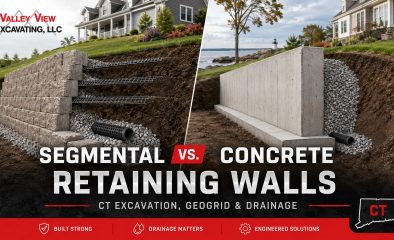
For many sloped Connecticut properties, an engineered segmental retaining wall offers an adaptable alternative to poured concrete because the system can combine a compacted aggregate base, interlocking concrete units, drainage stone, perforated pipe, and geogrid-reinforced soil. Poured concrete can also provide substantial structural capacity, but it generally requires forming, reinforcement, concrete placement, curing, and a […]

Connecticut Bedrock Excavation Guide: Hoe Ramming vs. Blasting for Foundations

Excavating through bedrock in Connecticut can turn a routine foundation, addition, sewer line, or utility trench into a specialized rock-removal project. Connecticut DEEP notes that bedrock is a predominant geologic feature across much of the state, with many upland properties having relatively thin glacial soils over rock. When ledge is encountered, contractors generally evaluate whether […]

Segmental Block vs. Boulder Retaining Walls: Engineering, Costs, and Wall Heights

Segmental block retaining walls offer precise grades, uniform appearance, and engineered geogrid reinforcement for taller or heavily loaded walls. Boulder retaining walls rely more heavily on the mass, placement, batter, drainage, and interlock of large natural stone. In Connecticut, there is no universal rule saying every wall under 4 feet can be built without engineering. […]

Excavation & Base Requirements for Heavy-Duty Segmental Retaining Walls

Heavy-duty segmental retaining walls need more than stacked block. A reliable wall starts with correct retaining wall excavation depth, a compacted gravel base, drainage stone behind the wall, perforated pipe set to daylight, and geogrid reinforcement when slope, height, surcharge, or soil pressure requires it. Allan Block guidance notes that reinforced walls need added drainage […]

Septic Tank Replacement & Excavation: What CT Homeowners Need to Know Before Digging

Septic tank replacement in Connecticut usually begins with a site investigation, soil evaluation, percolation testing, deep observation pits, and a plan submitted to the local health department. After approval, excavation can include removing the failed tank, clearing roots, preparing the tank hole, installing the building sewer, setting the tank and distribution box, constructing the leaching […]

How to Install Patio Pavers: The Ultimate Guide

To install patio pavers, plan the layout, mark underground utilities, excavate the area, establish drainage, compact the soil, build a stable aggregate base, screed the bedding layer, place and cut the pavers, secure the edges, and fill the joints with sand. The Concrete Masonry and Hardscapes Association identifies excavation, subgrade compaction, aggregate-base installation, edge restraints, […]

How to Hire an Outdoor Kitchen Contractor: 7 Red Flags and Essential Questions

A qualified outdoor kitchen contractor in Connecticut should hold an active Home Improvement Contractor registration, carry appropriate insurance, provide a written contract, explain permit responsibility, and coordinate properly licensed electrical, plumbing, gas, or heating professionals when those trades are required. Connecticut requires home improvement contractors to register before advertising or beginning covered work. Electrical, plumbing, […]

Land Clearing and Site Prep for Solar Panel Array Installation

Ground-mount solar installation site prep typically includes surveying, selective land clearing, stump and root removal, controlled grading, access preparation, equipment-pad excavation, and trenching for underground electrical conduit. The goal is to create a stable construction area without unnecessarily disturbing the entire property. Sloped sites also need erosion and sediment controls installed before clearing begins. Solar […]

Yard Drainage Problems in Connecticut: Causes, Fixes, and When to Call a Professional

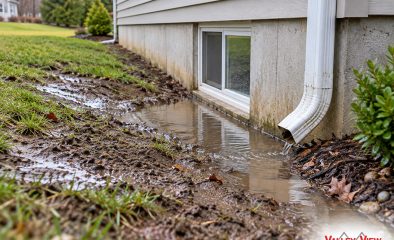
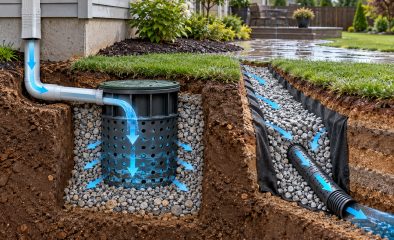
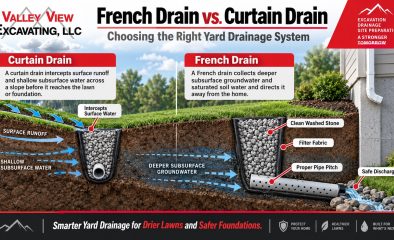
A soggy yard can turn a beautiful property into a daily frustration. Standing water, basement leaks, muddy lawn areas, washed-out soil, and foundation moisture are more than simple inconveniences. These problems can affect curb appeal, property value, lawn health, and the long-term stability of a home. At Valley View Excavating, we help Connecticut homeowners solve […]

Before & After: Transforming Rugged Land into a Buildable Lot

A rugged Connecticut lot becomes buildable through a controlled process: site evaluation, access planning, land clearing, erosion control, rough grading, drainage planning, utility trenching, foundation excavation, and final stabilization. In Connecticut, erosion and sediment control planning matters because construction disturbance can send runoff, sediment, and debris toward wetlands, roads, neighboring properties, and storm systems. CT […]