
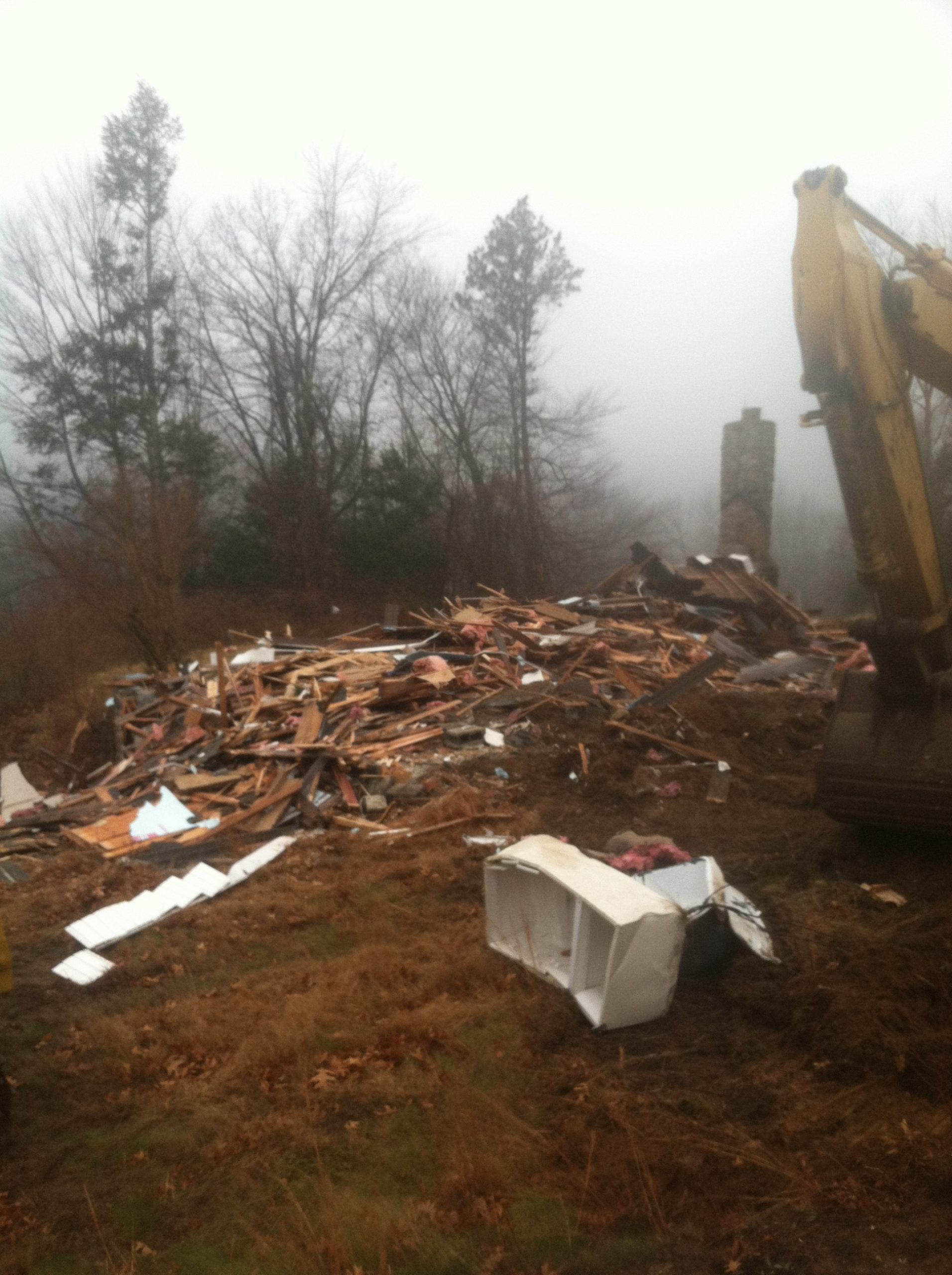
A residential demolition project can look simple from the street. Remove the structure, clear debris, grade the lot, and prepare for the next build.
Then the bucket hits something unexpected.
For Connecticut property flippers, builders, and homeowners, one of the biggest hidden liabilities is an old buried heating oil tank. Many older homes were once heated with oil, and some properties still have abandoned underground tanks near foundations, driveways, basement walls, or side yards. Once discovered, that tank can change the schedule, the budget, the permit path, and the entire site preparation plan.
At Valley View Excavating, our work is built around safe excavation, demolition, drainage, septic, sewer, and site work across Connecticut. Valley View Excavating is based in Plainville, CT, has served the state since 2007, and provides residential and commercial excavation services.
For property owners planning demolition, the goal is simple: uncover problems early, coordinate the right inspections, protect the jobsite, and keep construction momentum moving.
Why Buried Oil Tanks Matter During Residential Demolition
A buried oil tank is not just an old object in the ground. It can become a major environmental and construction risk.
Older steel tanks can corrode. Piping can fail. Soil around the tank may be stained with petroleum. Groundwater may be affected. A tank may also sit close to a foundation wall, driveway, utility line, septic area, or future building footprint.
That means buried oil tank removal is not only a demolition task. It is a site preparation issue, an environmental coordination issue, and a budget protection issue.
For CT property flippers, ignoring the possibility of an underground tank can create costly problems:
- Delayed closing or resale
- Failed buyer inspection
- Insurance concerns
- Construction schedule delays
- Soil removal costs
- Lab testing requirements
- Added excavation around old foundations
- DEEP reporting or cleanup coordination
- Lot clearing cost CT estimates that no longer match the real scope
Connecticut DEEP guidance notes that when an underground tank is removed, samples should be taken from the bottom and sidewalls of the tank grave, and petroleum-stained soil should be removed to the extent possible.
Where Old Heating Oil Tanks Are Commonly Found
Buried heating oil tanks are often found near older homes, especially properties built or renovated during periods when oil heat was common.
During demolition planning, common suspect areas include:
- Near basement walls
- Beside older fuel line entry points
- Under lawns near the foundation
- Near driveways or walkways
- Behind garages
- Near old fill pipes or vent pipes
- Under overgrown shrubs
- Close to abandoned utility routes
- Near old slabs, patios, or exterior stair areas
A site may show clues before excavation starts. Look for capped pipes, unexplained metal pipes near the foundation, old records, stained soil, petroleum odor, or uneven ground where a tank may have been abandoned.
Start With a Pre-Demolition Site Walk
A smart demolition project begins with a careful site walk. Before heavy equipment arrives, property owners should review what is visible, what records exist, and what may be buried.
Valley View Excavating’s demolition services focus on safely and efficiently dismantling residential and commercial structures with experienced crews, advanced equipment, and careful project execution.
A pre-demolition site walk should review:
- Existing home foundation
- Basement fuel line entry points
- Old utility locations
- Septic and sewer routes
- Drainage patterns
- Driveway access
- Tree and brush removal needs
- Possible tank locations
- Soil staining or odor
- Equipment access around tight spaces
- Areas that may require inspector coordination
For large projects, this early planning also helps shape lot clearing cost CT expectations. A flat, open lot with no buried surprises is very different from an older property with a foundation, underground utilities, possible oil tank, and contaminated soil concerns.
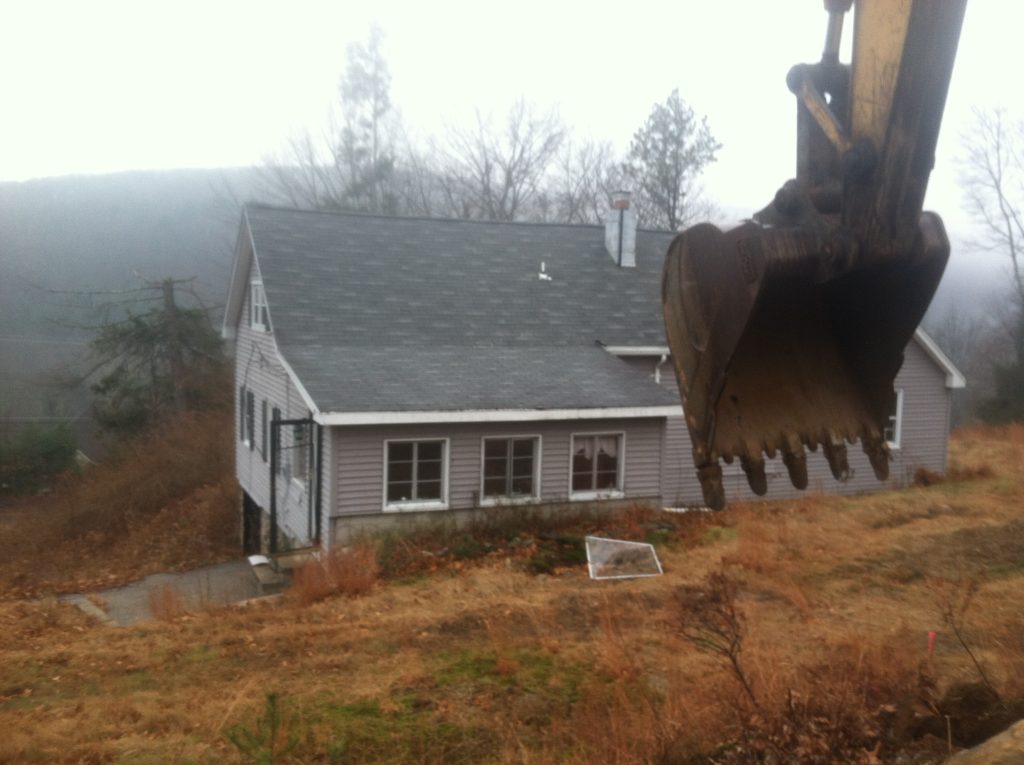
Why Oil Tank Discovery Can Stop a Fast Flip
Many property flips run on tight timelines. Purchase, demo, permit, rebuild, list, and sell. A buried oil tank can interrupt that sequence if the project team has no plan.
Delays usually happen when:
- The tank is found after demolition starts
- No environmental inspector is scheduled
- Soil testing was not planned
- The tank sits close to the foundation
- Petroleum odor or staining is discovered
- Disposal requirements are unclear
- The excavation contractor, environmental consultant, and builder are not aligned
The better approach is to treat old tank risk as part of site preparation from day one. That does not mean every site has a problem. It means a responsible demolition plan leaves room for proper inspection, documentation, and safe excavation.
Structural Excavation Near Old Foundations
Buried tanks are often located near old foundation walls because the tank supplied the home’s heating system. That makes removal more complicated during residential demolition.
Excavation near an old foundation requires care because nearby soils may support walls, slabs, steps, utilities, and access paths. If the foundation is already compromised, digging aggressively can create collapse hazards or damage areas that still need to be controlled before final removal.
A safe approach may include:
- Staged excavation
- Utility markouts before digging
- Controlled bucket work near walls
- Spotter support when visibility is limited
- Stable access routes for equipment
- Soil stockpile planning
- Foundation removal sequencing
- Coordination with inspectors before disturbing suspect soil
Coordinating With Environmental Inspectors
When a buried oil tank or petroleum contamination is suspected, the excavation crew should not treat the project like a normal dirt removal job.
A qualified environmental professional may be needed to inspect soil, collect samples, document field conditions, coordinate laboratory testing, and guide contaminated soil remediation. Connecticut guidance from the Town of Essex recommends hiring a properly registered contractor for tank removal, taking soil samples beneath the tank and piping, using a Connecticut-certified lab, photographing the tank and excavation area, and obtaining a written summary report with lab results.
For property owners, this documentation can matter later during resale, financing, insurance review, or municipal closeout.
The project team may include:
- Excavation contractor
- Demolition contractor
- Environmental consultant
- Permitted spill cleanup contractor
- Local fire marshal or building official
- Laboratory testing provider
- Builder or developer
- Property owner
That coordination helps the project move forward without guessing.
Contaminated Soil Remediation: What Changes on Site
If petroleum-impacted soil is found, the jobsite changes immediately.
Contaminated soil cannot be treated like ordinary clean fill. It may need to be separated, staged properly, tested, loaded, hauled, and disposed of according to environmental requirements.
Connecticut law and CT DEEP guidance require contractors that act to contain, remove, or mitigate the effects of releases of waste oil, petroleum, chemical liquids, or hazardous wastes to have the proper permit under CGS Section 22a-454.
That is why Valley View Excavating’s role on these jobs is practical and coordinated. Our crew can support safe excavation, access, demolition sequencing, and site preparation while working with the proper environmental professionals when a release or contaminated soil issue is present.
How to Keep Construction Momentum Moving
The best way to avoid a stalled demolition project is to build a response plan before the first major excavation cut.
A construction-ready plan should answer:
- Who gets called if a tank is discovered?
- Who confirms whether soil testing is needed?
- Where can suspect soil be staged safely?
- Who documents the excavation?
- What equipment access is needed?
- How does demolition sequencing change?
- Can clean areas of the site keep moving?
- What must happen before backfill?
- What paperwork is needed before the next phase?
Valley View Excavating’s lot clearing guidance explains that poor demolition planning can create safety hazards, delays, and costly environmental or permitting issues, while experienced demolition, debris removal, and site preparation help keep projects on schedule and compliant.
The Site Preparation Connection
Site preparation is where demolition, excavation, environmental coordination, drainage, utilities, and grading all meet.
Once an old structure is removed, the next phase may require:
- Foundation excavation
- Basement backfill
- Rough grading
- Drainage correction
- Sewer or septic planning
- Driveway prep
- Retaining wall support
- Erosion control
- Compaction
- Clean fill placement
- Final lot shaping
Valley View Excavating provides a broad range of services including excavation, sewer excavation, paving, foundation repair, retaining walls, demolition, septic work, drainage solutions, and related site services.
When contaminated soil or a buried oil tank is part of the project, site preparation must be sequenced around inspection and cleanup needs rather than rushed.
Why Property Flippers Should Budget for Hidden Conditions
A profitable flip depends on accurate assumptions. Hidden underground issues are one of the easiest places to underestimate risk.
When estimating lot clearing cost CT projects, set aside a contingency for:
- Tank locating
- Inspector or consultant coordination
- Test pits
- Lab sampling
- Tank removal support
- Extra excavation time
- Contaminated soil loading
- Clean backfill
- Delays while results are reviewed
- Additional grading after removal
- Documentation for resale
A lower demolition quote may look attractive at first, but a quote that ignores buried utilities, tanks, foundations, drainage, and environmental conditions may expose the owner to larger costs later.
Signs a Property May Need Extra Oil Tank Due Diligence
Before buying or demolishing a Connecticut property, watch for signs that extra research may be needed.
Possible warning signs include:
- Older home with historic oil heat
- Basement fuel lines with no visible above-ground tank
- Old fill pipe or vent pipe outside
- Seller cannot document tank removal
- Prior listing mentions abandoned tank
- Strong petroleum odor near basement wall
- Dead vegetation in one area
- Unexplained patch in yard or driveway
- Old permit records mentioning oil tank work
- Neighboring homes still have oil systems
None of these clues prove contamination. They only mean the project deserves careful review before demolition pricing is treated as final.
How Valley View Excavating Supports Safer Demolition Projects
Our team approaches residential demolition with the mindset that what happens below grade matters as much as what is visible above grade.
That means:
- Walking the site before equipment work begins
- Reviewing likely underground conflicts
- Planning access for trucks and equipment
- Sequencing demolition around foundations and utilities
- Supporting safe excavation near old structures
- Coordinating with environmental professionals when needed
- Preparing the lot for the next construction phase
- Keeping communication clear throughout the project
Our excavation project gallery showcases site work, demolition, drainage, and excavation projects completed in Connecticut.
For property owners, that experience helps turn a risky unknown into a managed process.
Local CT Demolition and Excavation Support
Every Connecticut property has its own history. A Plainville teardown may involve old utilities and tight neighborhood access. A Bristol property may have buried foundations, drainage challenges, or older heating infrastructure. A Southington or New Britain project may need extra coordination around utilities, driveways, slopes, or older site work.
Valley View Excavating serves Connecticut from Plainville and supports residential and commercial customers with excavation, demolition, sewer, septic, drainage, paving, hardscaping, and site preparation services.
For property flippers, builders, and homeowners, local experience matters because hidden underground variables are rarely solved from a spreadsheet.
Dig Smart Before the Past Gets Expensive
Buried oil tanks and contaminated soil can turn a simple residential demolition into a major liability. The smartest projects prepare for that risk early.
A safe demolition plan should account for old foundations, likely tank locations, environmental inspection needs, contaminated soil remediation planning, drainage, grading, and construction access. When the right team is aligned before excavation starts, the project has a much better chance of staying on schedule.
At Valley View Excavating, we help Connecticut property owners move from demolition to build-ready site preparation with careful excavation, practical planning, and clear coordination.
For property flippers searching for residential demolition contractors, buried oil tank removal support, contaminated soil remediation coordination, lot clearing cost CT guidance, or professional site preparation, our crew is ready to help uncover the past without losing sight of the next phase.
Residential Demolition FAQs
Why are buried oil tanks a problem during residential demolition?
Buried oil tanks can leak petroleum into surrounding soil or groundwater. They may also sit close to old foundations, utilities, or future building areas, which can complicate demolition, excavation, testing, and site preparation.
Who handles contaminated soil remediation in Connecticut?
When petroleum contamination is confirmed, cleanup work must involve properly permitted or registered professionals under Connecticut requirements. CT DEEP explains that contractors acting to contain, remove, or mitigate petroleum releases need appropriate authorization under CGS Section 22a-454.
Can demolition continue if an old oil tank is found?
Sometimes clean portions of the site can continue, but work near the tank should pause until the right inspection, testing, and removal plan is set. Proper coordination helps prevent unsafe excavation and avoid unnecessary project delays.
What affects lot clearing cost CT estimates?
Lot clearing cost CT estimates can change based on building size, foundation removal, access, debris volume, utilities, trees, drainage, buried tanks, contaminated soil, grading needs, and disposal requirements.
Should property flippers test for oil tanks before buying?
When an older Connecticut property shows signs of historic oil heat or missing tank documentation, extra due diligence is smart. A pre-purchase review can help identify possible tank risk before demolition and resale plans are finalized.