
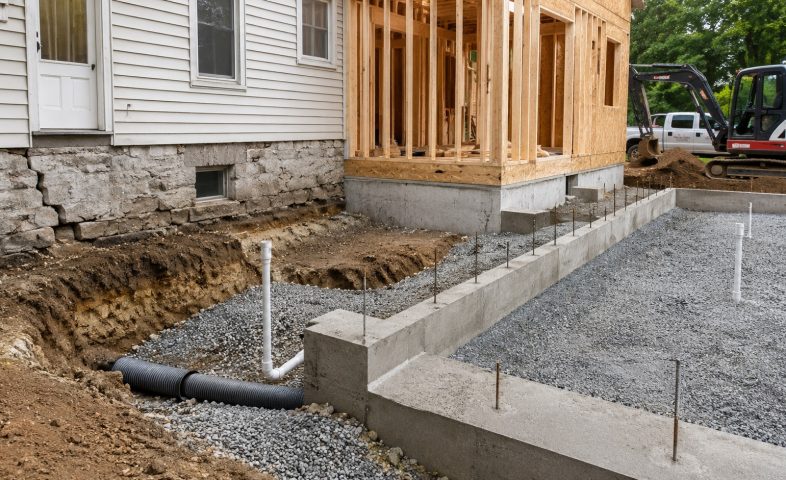
Older Connecticut homes have character, history, and strong resale appeal. They can also hide foundation problems that do not show up until a renovation, flip, or home addition begins. At Valley View Excavating, our work starts below the surface because foundation problems are rarely just a concrete issue. The soil, drainage, grading, backfill, and excavation plan all affect how well a foundation performs over time.
For homeowners, real estate investors, and contractors, the risk is simple: a fresh remodel can look perfect while unstable ground continues moving underneath it. Before pouring footings for an addition or repairing foundation cracks, the site needs to be evaluated for settlement, water pressure, poor compaction, and shifting Connecticut soil.
Why Flipped Houses Often Hide Foundation Problems
A flipped house may have new flooring, fresh paint, updated fixtures, and clean siding, but the foundation tells a deeper story. Cosmetic upgrades can cover symptoms without correcting the cause.
Common foundation repair pitfalls in flipped homes include:
- Patched cracks that reopen after seasonal freeze and thaw cycles
- Basement walls painted before moisture problems are corrected
- New patios, walkways, or driveways that slope water toward the house
- Finished basement walls that hide seepage, bowing, or active cracking
- Poor grading that pushes runoff against the foundation
- Older footing drains that no longer move water away properly
When a home looks recently updated, buyers often assume the structural work was handled too. That is not always the case. A qualified foundation repair contractor can help identify whether cracks are surface-level cosmetic issues or signs of deeper settlement.
The Soil Problem Behind Many Foundation Cracks
Connecticut homes often sit on challenging ground. Clay pockets, ledge rock, old fill, wet soil, and poorly compacted backfill can all affect how a foundation performs. When soil expands, washes out, settles, or fails to drain properly, the foundation can shift.
That movement can create:
- Stair-step cracks in block or brick
- Horizontal cracks in basement walls
- Gaps around windows and doors
- Sloping floors
- Cracks where additions meet the original home
- Water seepage at the wall and floor joint
- Sinking slabs, patios, or walkways near the foundation
The goal is not just cracked foundation repair. The goal is correcting the condition that caused the crack. That may involve excavation services, drainage upgrades, proper backfill, footing drain work, or site grading that moves water away from the structure.
Signs of House Settling vs. Cosmetic Cracks
Not every crack means structural failure. Some hairline cracks happen as concrete cures or as a home naturally adjusts over time. The key is knowing when to take the next step.
Usually Cosmetic
Hairline cracks may be cosmetic when they are:
- Thin and shallow
- Not widening over time
- Not letting in water
- Not paired with wall movement
- Isolated to surface concrete or plaster
These still deserve monitoring, especially in older homes or recently flipped houses.
Potentially Structural
Foundation movement becomes more concerning when cracks are:
- Wider than a typical hairline fracture
- Horizontal across a basement wall
- Stair-stepped through masonry joints
- Reopening after patching
- Paired with basement water, wall bowing, or floor slope
- Located where a new addition ties into the original foundation
These are stronger signs of house settling. When those symptoms appear, professional evaluation matters before more money goes into finishes, flooring, framing, or concrete.
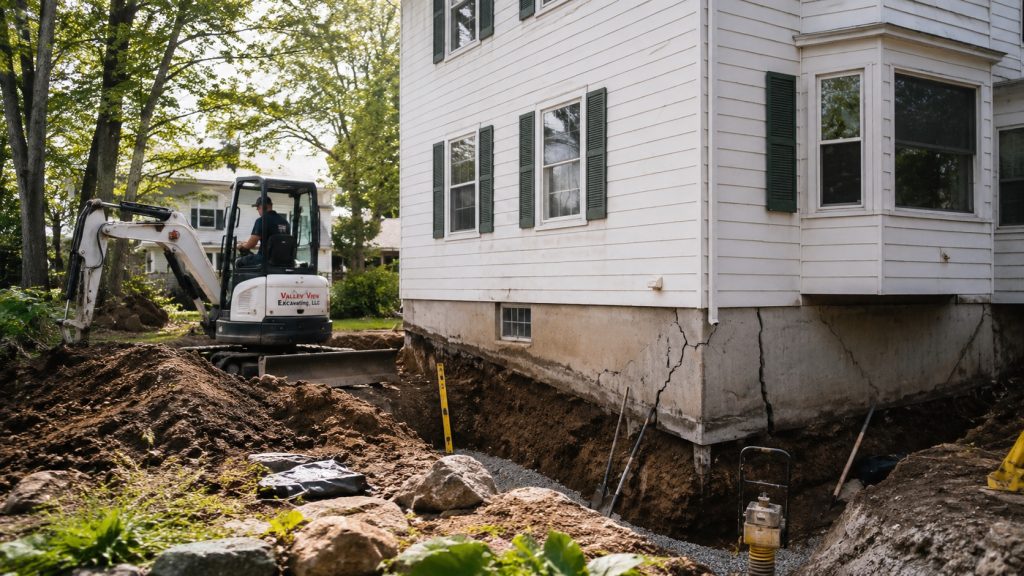
Home Addition Site Excavation: Where Problems Begin or Get Solved
A home addition adds weight to the property. That new load needs stable soil, proper footings, controlled drainage, and clean excavation. If the addition is built on soft, wet, disturbed, or poorly compacted soil, future movement can create cracks where the old and new structures meet.
Proper home addition site excavation should account for:
- Soil stability beneath the new footing area
- Proper excavation depth for the foundation design
- Drainage around the new foundation walls
- Safe access for equipment
- Backfill material selection
- Compaction in lifts
- Water management during excavation
- Final grading away from the house
The most expensive mistake is treating excavation as simple digging. Site conditions determine how the concrete performs. Our crew looks at the full property, not just the hole for the footing.
Cracked Foundation Repair Cost: Why Prices Vary
Cracked foundation repair cost depends on what caused the cracking, how much excavation is required, how much water is involved, and whether the repair is cosmetic or structural.
A small surface patch may cost far less than a repair that requires exterior excavation, drainage correction, wall stabilization, footing drain work, waterproofing, and backfill replacement. That is why quick patch pricing can be misleading.
Cost factors may include:
- Crack size, location, and pattern
- Basement wall material
- Exterior access
- Depth of excavation
- Drainage conditions
- Soil type
- Water intrusion
- Nearby patios, walkways, utilities, or landscaping
- Need for grading or drainage installation
For many homes, the right repair is not only sealing the crack. It is removing water pressure, correcting soil movement, and rebuilding the area around the foundation so the problem does not return.
Drainage Is Often the Missing Piece
Water is one of the biggest drivers of foundation damage. When gutters dump water too close to the home, when the yard slopes toward the foundation, or when soil stays saturated, pressure builds against the basement wall.
That pressure can lead to cracks, leaks, frost movement, and long-term settlement. A foundation repair plan may need yard drainage installation, downspout extensions, French drains, foundation drainage, or waterproofing excavation.
For homes with basement moisture, our basement waterproofing work also connects closely with foundation protection. Keeping water away from the structure helps protect both the basement and the concrete supporting the home.
Pitfalls to Avoid Before Buying, Flipping, or Building
Before investing in a flipped home or starting a new addition, watch for these red flags:
- Fresh paint on basement walls with no drainage explanation
- New flooring over uneven areas
- Patched cracks without documentation
- Musty basement smell
- Water stains near the foundation wall
- Doors or windows that stick
- Soil sloping toward the home
- Gutters discharging beside the foundation
- Additions planned near wet or soft ground
- Recently filled areas that were not compacted properly
A careful site review can prevent a renovation from turning into a structural repair project.
Why Valley View Excavating Looks Below the Surface
At Valley View Excavating, foundation work starts with the ground. Our team helps Connecticut homeowners, builders, and property owners address excavation, drainage, soil, and site preparation issues that affect long-term stability.
Our services support foundation-related projects through:
- Foundation excavation
- Structural repair access excavation
- Site prep for additions
- Yard drainage solutions
- Basement waterproofing excavation
- Footing drain work
- Backfill and grading
- Retaining wall and slope support work
For property owners in Plainville, Bristol, Southington, New Britain, Farmington, Berlin, Newington, and nearby Connecticut towns, the best foundation repair plan starts with identifying why the foundation moved in the first place.
Flipped houses and home additions can both uncover hidden foundation problems. New finishes may make a home look solid, but cracks, water pressure, settlement, and unstable soil can continue causing damage below the surface.
A trusted foundation repair contractor does more than patch concrete. The right team corrects the soil, drainage, grading, and excavation issues that allow the foundation to fail. For older Connecticut homes and new additions, that below-ground work is what protects the investment above it.
Learn more about Valley View Excavating’s foundation repair contractor services or explore our full range of excavation services.
Frequently Asked Questions
What are the first signs of house settling?
The most common signs of house settling include stair-step foundation cracks, sticking doors, uneven floors, gaps around windows, basement water seepage, and cracks that reopen after being patched.
Can a flipped house have hidden foundation problems?
Yes. A flipped house can have cosmetic updates that cover foundation cracks, basement moisture, poor drainage, or uneven floors. A professional inspection and excavation-based evaluation can help reveal the cause.
Why does Connecticut soil affect foundations?
Connecticut properties may include clay, ledge, wet soil, old fill, or poorly compacted backfill. These conditions can shift, hold water, or settle unevenly, which can lead to foundation cracking.
What affects cracked foundation repair cost?
Cracked foundation repair cost depends on crack severity, water damage, soil movement, excavation access, drainage needs, wall condition, and whether the repair requires exterior work.
Why is excavation important for a home addition?
Home addition site excavation creates the base for new footings and foundation walls. If the soil is unstable, wet, or poorly compacted, the addition may settle or crack where it connects to the original home.