
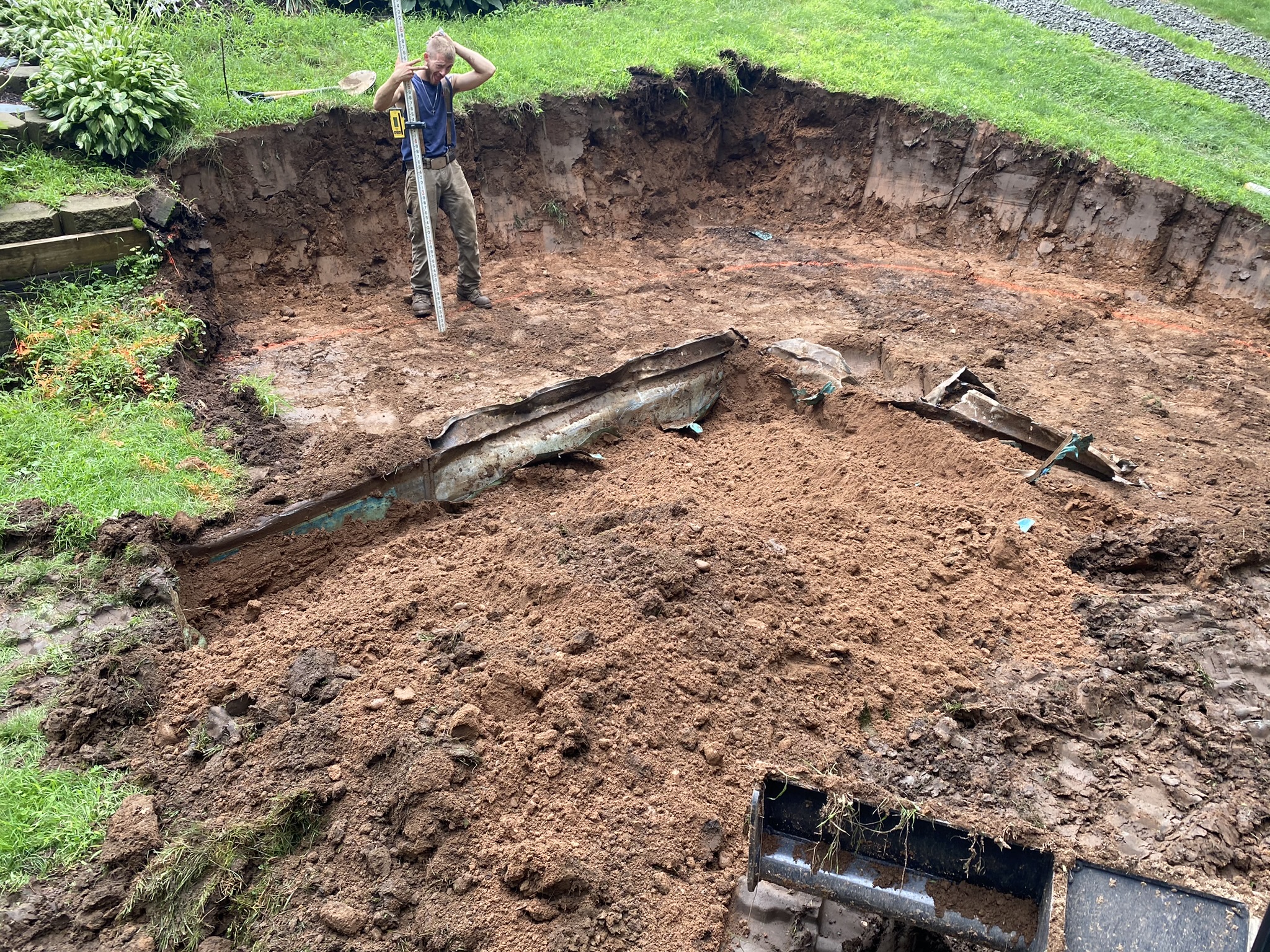
Across Plainville, Bristol, Southington, Farmington, New Britain, Berlin, Cheshire, and Central Connecticut, large-scale lot development often means more than clearing trees and moving dirt. Rocky ledge, wooded acreage, wetland review areas, drainage requirements, and municipal permitting can turn a buildable parcel into a costly project fast. At Valley View Excavating, LLC, our work starts with planning the site properly before heavy equipment ever crosses the property line.
For developers searching for land clearing services near me or commercial site preparation contractors, the right excavation partner can protect the schedule, reduce surprises, and help keep the project moving through each phase.
Connecticut Lot Development Starts With Wetland Awareness
Many Central CT parcels include wetlands, watercourses, seasonal drainage paths, or upland review areas near the proposed work zone. These conditions do not always stop a project, but they do affect how clearing, grading, stockpiling, access roads, and stormwater controls must be planned.
Before heavy equipment lot clearing begins, a development team should confirm:
- Wetland and watercourse boundaries
- Local upland review areas
- Proposed disturbance limits
- Required erosion controls
- Construction entrance placement
- Tree clearing zones
- Soil stockpile locations
- Stormwater routing
- Permit conditions from the town
Skipping this step can lead to stop-work orders, redesign costs, delayed approvals, and expensive restoration work.
Why Municipal Wetland Setbacks Matter
Connecticut wetland work is usually handled at the municipal level. Each town has an inland wetlands agency that reviews regulated activities within wetlands, watercourses, and designated review areas. For developers, that means the same type of project may require different review details from one town to the next.
A professional excavation plan helps prevent accidental disturbance by using clear access routes, silt fence, construction fencing, stabilized entrances, sediment traps, and marked no-work zones.
Valley View Excavating, LLC provides excavation services for projects where layout, drainage, grading, and site control matter from day one.
Heavy Equipment Lot Clearing for Commercial Sites
Commercial clearing is not the same as backyard brush removal. A large site may require multiple machines, staged clearing, stump removal, boulder handling, selective tree preservation, rough grading, and coordination with engineers.
Typical site clearing may include:
- Marking protected zones and work limits
- Clearing trees, brush, and surface debris
- Removing stumps and root mats
- Stripping and stockpiling usable topsoil
- Separating organic material from structural fill
- Establishing access roads and staging areas
- Rough grading for pads, utilities, and drainage
For buildings, parking lots, utilities, and access drives, the goal is not just opening the lot. The goal is creating a stable, workable construction platform.
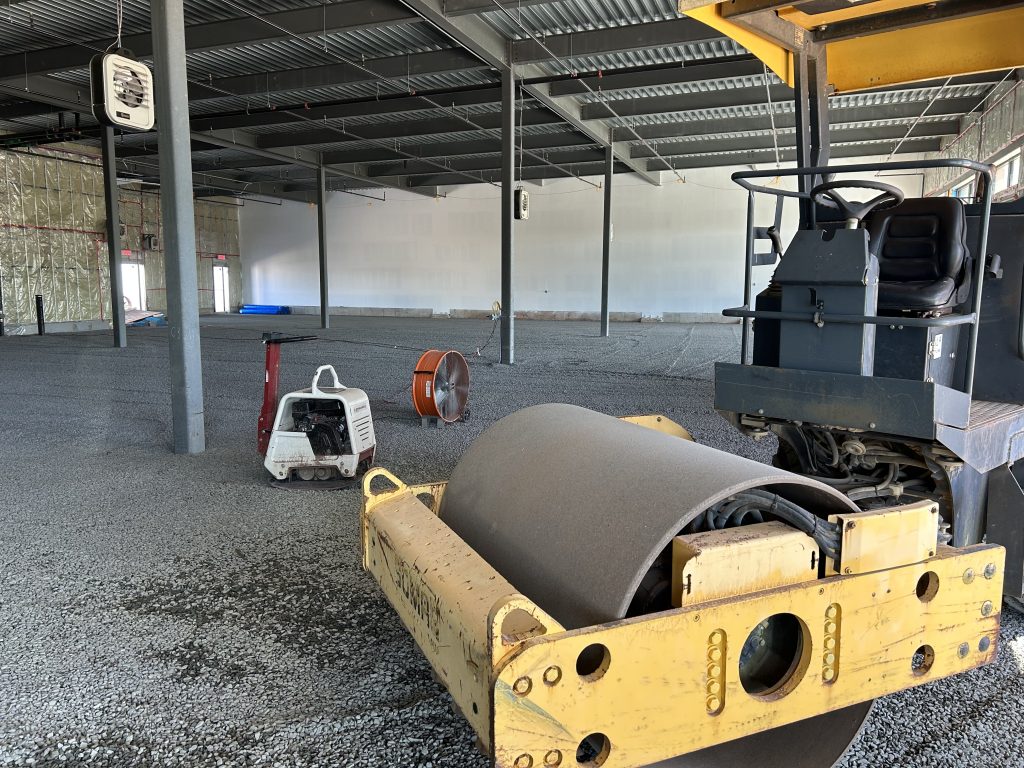
Rock Hammering Excavation CT Developers Need
Central Connecticut terrain often includes ledge, boulders, buried rock, and compacted glacial material. When rock blocks building pads, trench lines, drainage structures, or utility runs, hydraulic hammering may be needed.
Rock hammering excavation CT projects can help break large rock into manageable pieces without full blasting in many site conditions. This can support:
- Foundation excavation
- Utility trenching
- Drainage system installation
- Driveway and road cuts
- Retaining wall preparation
- Parking lot subgrade work
- Septic or sewer excavation access
Cut-and-Fill Planning Can Save Thousands
Soil export is one of the hidden costs that can hurt a large development budget. If too much material leaves the site, trucking, disposal, and replacement fill costs can climb quickly. If too much unsuitable material stays in the wrong place, compaction and drainage problems can follow.
Smart cut-and-fill planning looks at where material can be reused safely on-site. Suitable soil may help build grades, support landscape areas, shape berms, or balance elevation changes. Unsuitable material may need separation, stabilization, or removal.
The best results come from close coordination between the excavation contractor, engineer, surveyor, and developer. When grades, access, drainage, and material reuse are planned together, the site can move faster with fewer wasted loads.
Drainage and Erosion Control Are Not Afterthoughts
Large-scale clearing exposes soil. Once tree cover and root systems are removed, rain can move sediment quickly across a site. That is why erosion control belongs at the front of the plan, not the end.
Common controls include:
- Silt fence
- Hay bales or wattles
- Construction entrances
- Sediment basins
- Stone check dams
- Temporary swales
- Stabilized stockpiles
- Final grading for positive drainage
For complex sites, drainage planning may connect directly to stormwater structures, catch basins, culverts, footing drains, and long-term surface water management.
Build the Site Right Before Construction Starts
A successful commercial development begins below the surface. Wetland awareness, erosion control, rock handling, grading, drainage, and material management all affect the final budget.
Valley View Excavating, LLC helps developers, builders, and property owners across Central Connecticut prepare difficult sites for the next phase of construction. From land clearing and demolition to rock hammering, sewer excavation, drainage, grading, and full site preparation, our team brings the equipment and field experience needed to keep complex projects moving.
Visit Valley View Excavating, LLC to plan a safer, cleaner, and more efficient site development project.
FAQ
What should developers check before clearing a wooded CT lot?
Developers should confirm wetland boundaries, municipal review areas, access routes, erosion controls, drainage patterns, soil conditions, rock conflicts, and permit requirements before clearing begins.
Why hire commercial site preparation contractors?
Commercial site preparation contractors bring the equipment, grading knowledge, drainage awareness, and jobsite coordination needed for larger projects with tighter schedules and stricter requirements.
What is hydraulic rock hammering?
Hydraulic rock hammering uses an excavator-mounted hammer attachment to break ledge, boulders, or hard rock into smaller pieces for removal, trenching, or grading.
Can cut-and-fill planning reduce project costs?
Yes. Reusing suitable soil on-site can reduce export trucking, disposal costs, imported fill needs, and schedule delays.